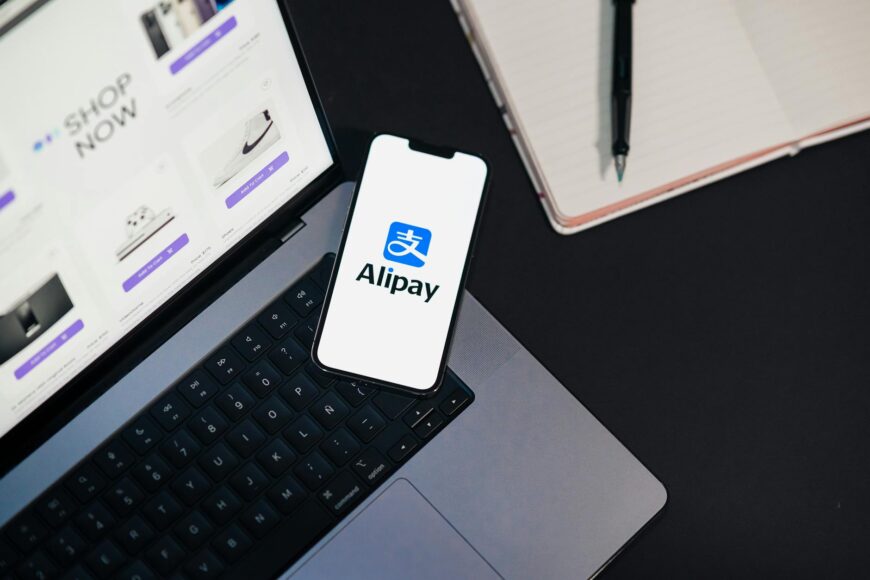
In recent years, super apps have emerged as a revolutionary force in the digital landscape, fundamentally altering how users engage with services and how businesses operate. These multifunctional applications combine various services into one platform, allowing users to access everything from messaging to e-commerce seamlessly. The rise of super apps reflects a significant shift towards convenience and efficiency in digital interactions.
Super apps are more than just a trend; they represent a paradigm shift that integrates multiple functionalities, enhancing user experience. Popular examples include WeChat in China, which offers messaging, social media, and payment services, and Grab in Southeast Asia, which encompasses ride-hailing, food delivery, and financial services. Such platforms cater to diverse needs, reducing the need for multiple apps and streamlining user engagement.
Understanding the Appeal of Super Apps
The appeal of super apps lies in their ability to create an all-in-one solution for consumers. Users benefit from reduced friction in navigating between services, which can be crucial in markets where mobile internet penetration is high but individual service apps remain fragmented. This consolidation makes it easier for consumers to complete tasks quickly, enhancing overall satisfaction.
Impact on Businesses and Market Dynamics
For businesses, the rise of super apps creates an opportunity to reach a larger audience without the barriers of developing standalone applications. Using an established platform can dramatically reduce marketing costs, as businesses can tap into the existing user base of super apps. Moreover, the data collected by these apps can provide insights into consumer behavior, enabling more targeted marketing strategies.
Challenges and Concerns Regarding Super Apps
Despite the benefits, the dominance of super apps raises several concerns. Privacy issues are paramount, as these platforms often collect vast amounts of personal data. Additionally, the concentration of services under one umbrella can stifle competition, leading to monopolistic behaviors. Regulatory frameworks are still catching up to these changes, which poses challenges for both users and developers.
The Future of Digital Services with Super Apps
Looking ahead, super apps are likely to continue evolving, incorporating technologies such as artificial intelligence and blockchain to enhance user experiences further. As they become more prevalent, the expectation for seamless integration across services will only grow, reshaping how consumers interact with digital platforms. Businesses that adapt to this trend may find themselves at a significant advantage in an increasingly digital marketplace.
