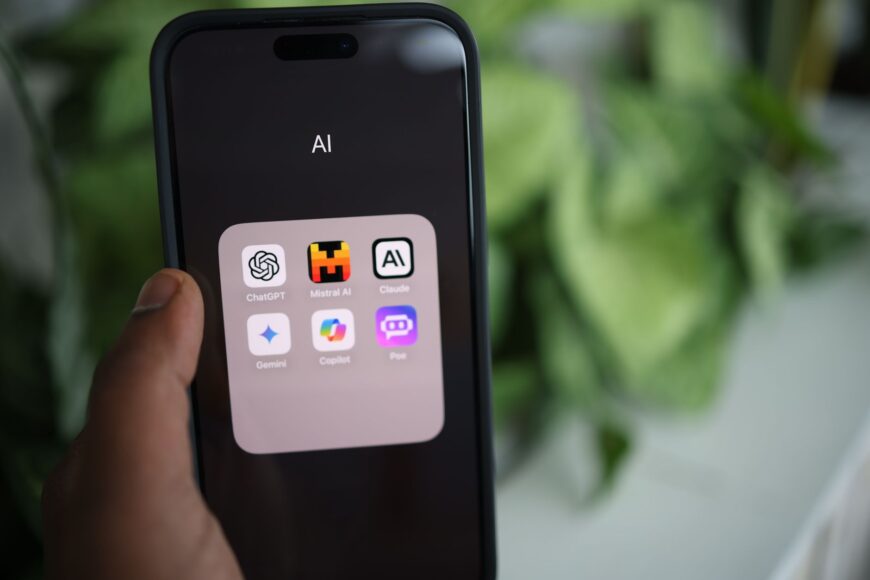
Mobile app technology is evolving at a breakneck pace, reshaping how businesses connect with consumers and how users engage with their devices. The rise of smartphones and tablets has created an ecosystem where innovative applications can transform daily tasks, streamline operations, and enhance user experiences. As we delve into current trends, understanding these developments is crucial for leveraging technology for personal and professional growth.
From artificial intelligence to augmented reality, each innovation in mobile app technology is opening new doors for functionality and user engagement. Below, we explore ten of the most significant trends that are currently shaping the future of mobile applications.
1. Artificial Intelligence and Machine Learning
AI and machine learning are at the forefront of mobile app innovation. By integrating these technologies, apps can analyze user data to provide personalized experiences. For instance, Netflix uses machine learning algorithms to recommend shows based on viewing history, thereby enhancing user satisfaction. According to a report from Statista, the AI market is expected to reach $126 billion globally by 2025, highlighting its growing importance in mobile applications.
2. Augmented Reality (AR) and Virtual Reality (VR)
Augmented reality and virtual reality are redefining user interaction by blending digital elements with the real world. Apps like Pokémon GO have showcased how AR can engage users in innovative ways, while VR applications are making waves in gaming and training simulations. The AR market alone is projected to grow to $198 billion by 2025, driven by its applications in retail, education, and entertainment.
3. Internet of Things (IoT) Integration
The proliferation of IoT devices allows mobile apps to connect and control various smart devices seamlessly. For example, home automation apps enable users to manage lighting, heating, and security systems from their smartphones. According to a report by Gartner, there will be over 25 billion connected IoT devices by 2025, indicating a significant opportunity for app developers to create solutions that leverage this connectivity.
4. Enhanced Security Features
With increasing concerns over data privacy, mobile app security is a critical focus area. Innovations like biometric authentication, including facial recognition and fingerprint scanning, are becoming standard. These features not only protect user data but also enhance user experience by simplifying login processes. A report by Cybersecurity Ventures predicts that cybercrime will cost the world $10.5 trillion annually by 2025, underscoring the need for robust security measures.
5. 5G Technology
The rollout of 5G networks is set to revolutionize mobile app performance. With higher speeds and lower latency, users can enjoy seamless streaming, faster downloads, and improved gaming experiences. According to a report from Ericsson, 5G subscriptions are expected to reach 3.5 billion globally by 2026, paving the way for more complex and data-intensive applications.
6. Progressive Web Apps (PWAs)
Progressive web apps are gaining traction due to their ability to offer a native app-like experience without requiring downloads. PWAs load quickly, work offline, and can send push notifications, all while being accessible via web browsers. This flexibility can significantly improve user engagement, as evidenced by Starbucks, which reported a 2.5 times increase in customer engagement after launching their PWA.
7. Cloud Computing
Cloud technology is enabling developers to create scalable mobile applications with minimal hardware constraints. By storing data in the cloud, apps can provide real-time updates and allow for seamless synchronization across devices. Salesforce’s mobile app exemplifies this trend, offering robust cloud-based solutions that cater to business needs globally.
8. Voice-Activated Interfaces
Voice technology is transforming how users interact with apps, making them more accessible and user-friendly. Virtual assistants like Siri and Google Assistant are leading the charge, enabling hands-free operation of apps. According to a report by Voicebot.ai, 27% of the US population uses voice-activated technology, which encourages developers to integrate voice features into their applications.
9. Blockchain Technology
Blockchain is emerging as a powerful tool for enhancing app security and transparency. Its decentralized nature ensures data integrity, making it particularly appealing for finance and supply chain management applications. As of 2023, the blockchain technology market is expected to exceed $69 billion, indicating growing interest and adoption across industries.
10. Sustainable Development Practices
As environmental concerns rise, there is a notable shift towards sustainability in app development. Developers are now focusing on creating energy-efficient applications and reducing their carbon footprint. This trend not only appeals to eco-conscious users but also aligns with global sustainability goals, driving innovation in efficient coding practices and resource management.
In conclusion, the landscape of mobile app technology is rapidly evolving, driven by innovations that enhance user experience and operational efficiency. Staying informed about these trends is essential for developers and businesses looking to leverage technology effectively and maintain a competitive edge.
