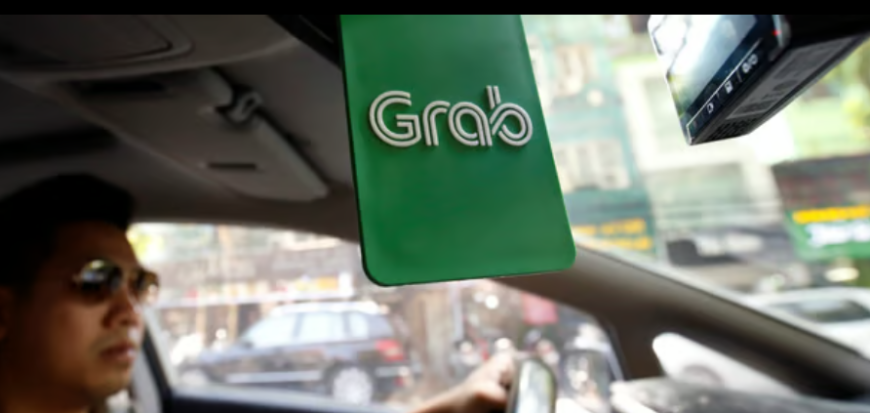
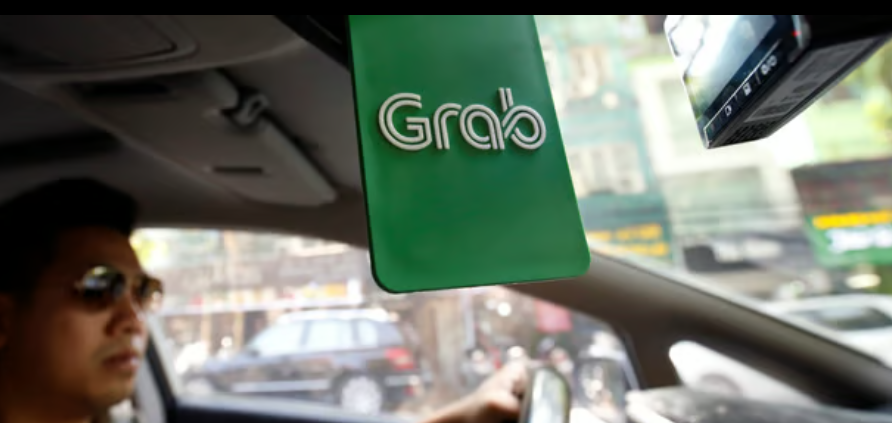
The first time I used Grab, it was purely for one reason. I needed a ride. That was it.
Back then, Grab was mainly known as a ride hailing alternative competing with Uber in Southeast Asia. Fast forward to today, and the app feels like an entire ecosystem living inside one green icon on my phone.
After using it for transportation, food delivery, digital payments, and even bill payments, I can confidently say Grab is no longer just a ride hailing service. It has evolved into what many call a super app.
Here is my breakdown based on real usage and market research.
The Evolution From Ride Hailing to Everything App
Grab was founded in 2012 and initially focused on solving transportation problems in Southeast Asia. Traffic congestion, limited taxi reliability, and cash only transactions created a perfect gap in the market.
When Uber exited Southeast Asia in 2018 and sold its regional operations to Grab, the company gained a major competitive advantage. That acquisition significantly accelerated its dominance in markets like Indonesia, Malaysia, Singapore, Thailand, and Vietnam.
But the real growth story began when Grab expanded beyond transportation.
Today, within one app, users can access:
Ride hailing
Food delivery
Grocery delivery
Digital wallet services
Insurance
Financial services
Hotel booking
Mobile top ups and bill payments
It feels less like a transport app and more like a daily operating system.
My Experience Using Grab for Transportation
I still use GrabRide regularly, especially in busy areas where parking is a nightmare. Booking is straightforward. The app shows driver location in real time, estimated arrival time, and price transparency before confirming the ride.
One thing I noticed is how pricing adjusts dynamically based on demand. During peak hours, fares can increase significantly. This is not unique to Grab, but it is something users need to be aware of.
From a usability standpoint, the interface is clean and easy to navigate. Driver ratings and safety features like emergency assistance add an extra layer of reassurance.
In terms of reliability, cancellations can happen during rush hours, but overall the system works efficiently.
GrabFood and the Food Delivery Expansion
GrabFood is where I started seeing how powerful the ecosystem model is.
Instead of downloading a separate app for food delivery, everything is already integrated. Payment can be done using cash, card, or GrabPay balance.
Interesting fact. According to regional digital economy reports, food delivery became one of the fastest growing online sectors in Southeast Asia during the pandemic years. Grab capitalized heavily on that surge.
From my experience, restaurant selection is broad, especially in major cities. The app frequently pushes promotions and discounts, which clearly encourages repeat usage.
Delivery tracking is accurate most of the time, and customer support responds reasonably fast when issues arise.
GrabPay and the Push Toward Cashless Society
One feature that surprised me the most was GrabPay.
What started as a simple in app payment method has evolved into a digital wallet with broader functionality. Users can pay bills, transfer money, and even invest in certain regions.
In markets like Singapore and Indonesia, digital wallet adoption has increased rapidly over the past few years. Grab positioned itself not just as a service provider but as a fintech player.
I personally use GrabPay mostly for ride and food transactions. The cashback rewards and loyalty points system make it attractive compared to standard card payments.
However, I would still recommend users to review fees and transaction limits depending on their country.
Strengths of the Super App Model
The biggest strength of Grab is integration.
Instead of juggling multiple apps for transport, food, and payments, everything is centralized. This creates convenience and strengthens user retention.
The more services you use within the ecosystem, the less likely you are to switch to competitors.
Another advantage is data synergy. Because all services operate under one system, personalization becomes more accurate. Promotions feel targeted rather than random.
For example, after frequently ordering food late at night, I started receiving more relevant restaurant recommendations during those hours.
That kind of algorithmic adjustment keeps engagement high.
Weaknesses and Limitations
No app is perfect.
Dynamic pricing can frustrate users during high demand periods. Delivery times may vary depending on weather and traffic. Customer service response times are not always instant.
Also, in smaller cities, service availability may not be as comprehensive as in major urban areas.
From a privacy standpoint, like any large platform, Grab collects significant user data. Users should always review privacy settings and understand what data is being shared.
Market Position and Financial Growth
Grab went public in 2021 through a SPAC merger, marking one of the largest listings in Southeast Asian tech history.
While profitability has been a challenge in the competitive tech landscape, user base growth and transaction volume remain strong indicators of long term potential.
The super app model works particularly well in Southeast Asia because of fragmented infrastructure and high mobile penetration rates. Smartphones are often the primary internet access device for millions of users.
That mobile first environment gives Grab a strategic advantage.
Final Thoughts After Years of Usage
After years of using Grab, I see it less as a ride hailing tool and more as a daily utility app.
Need a ride. Open Grab.
Hungry at midnight. Open Grab.
Pay a bill. Open Grab.
That level of integration is powerful.
Is it perfect. No.
Is it practical and deeply embedded in everyday life. Absolutely.
For anyone living in Southeast Asia, Grab is not just an optional app. It is part of the digital routine.
And from a platform growth perspective, the transformation from a simple ride hailing service into a multi service ecosystem is one of the most interesting tech evolutions in the region.
Grab did not just scale.
It expanded horizontally into daily life.
That is what makes it more than just an app.
