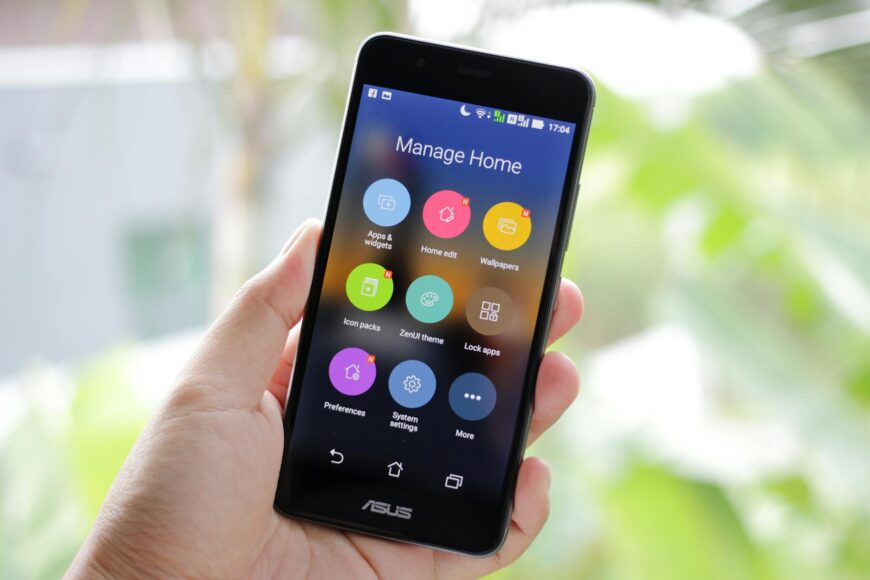
In today’s fast-paced digital landscape, mobile applications have become indispensable tools for communication, commerce, and entertainment. With millions of apps available, providing a superior user experience is crucial to stand out in a saturated market. Understanding how to enhance user satisfaction through thoughtful design and functionality is essential for both new and established applications.
User experience (UX) encompasses various aspects of app design, from navigation to aesthetics. To ensure an app is not just another download but a user favorite, developers must adopt specific strategies aimed at improving usability, engagement, and overall satisfaction.
Prioritize Intuitive Navigation
Navigation is fundamental to user experience. Users should find it easy to move through the app without confusion. According to a study by the Nielsen Norman Group, 94% of first impressions relate to web design, which extends to mobile applications. A clear, simple menu structure can significantly improve user retention. For instance, the popular app Airbnb uses a straightforward navigation system that allows users to book accommodations quickly and efficiently.
Optimize Load Times
Speed is of the essence. Studies reveal that 53% of mobile users abandon a site if it takes more than three seconds to load. This principle equally applies to mobile applications. Optimizing images, reducing the size of app assets, and utilizing efficient coding practices can drastically enhance load times. For example, Facebook has achieved a streamlined app experience that loads quickly even on slower networks, leading to higher user engagement.
Incorporate User Feedback
Listening to users can be invaluable. Regularly gathering feedback through surveys, app store reviews, and usability tests allows developers to understand user pain points. Apps like Duolingo effectively use gamification elements and take user suggestions to refine their learning platform continually. This iterative process not only improves the app based on real user needs but also fosters a community that feels valued.
Embrace Personalization
Personalized experiences can significantly enhance user satisfaction. By analyzing user data and behavior, apps can tailor content and recommendations to individual preferences. For instance, Spotify uses algorithms to curate playlists based on listening habits, creating a highly personalized experience that keeps users coming back. This approach not only enriches engagement but also enhances user loyalty.
Ensure Accessibility
Making apps accessible to all users, including those with disabilities, is a legal and ethical responsibility. According to the World Health Organization, over 1 billion people live with disabilities. Simple adjustments, such as providing text alternatives for images and ensuring compatibility with screen readers, can make a significant difference. Notable brands like Microsoft have set examples by incorporating inclusive design principles into their applications.
Focus on Aesthetics
Visual appeal plays a crucial role in user retention. Research indicates that aesthetically pleasing designs can improve usability and create positive emotional responses. Platforms like Instagram showcase a clean, minimalist design that emphasizes content over clutter, which has contributed to its immense popularity. A well-thought-out color scheme and typography can significantly influence user perceptions and interactions.
Conduct Regular Testing and Updates
Continuous improvement is key to maintaining a positive user experience. Regularly testing the app for bugs and performance issues, as well as keeping up with technological advancements, ensures that the app remains competitive. Companies like Apple release iterative updates to their apps, enhancing features based on user feedback and technological trends, thereby sustaining user interest.
