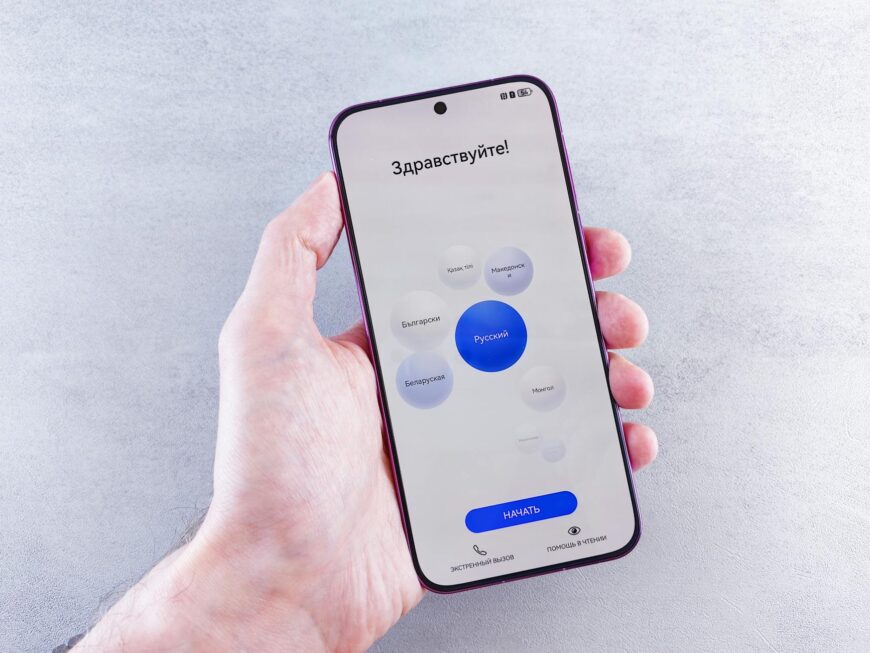
Mobile applications have become an integral part of our daily lives, influencing how we communicate, shop, and access information. With the sheer volume of apps competing for users’ attention, delivering a top-notch user experience is no longer optional; it is a necessity. A seamless user experience can make the difference between an app that thrives and one that fails.
Understanding user behavior and preferences is crucial for developers aiming to create engaging and functional mobile applications. The following insights highlight specific strategies to enhance user experience and retain users over time.
Prioritize Intuitive Navigation
One of the most critical aspects of user experience is navigation. A study by Nielsen Norman Group found that 94% of users cited poor design as a reason for mistrusting a website. In mobile apps, this translates to ensuring users can find what they need quickly. Use clear labels, consistent icons, and intuitive pathways to make navigation straightforward. For example, apps like Airbnb employ simple icons and a minimalistic layout, allowing users to navigate effortlessly.
Optimize for Performance
Mobile users are often impatient. According to Google, 53% of mobile users will abandon a site that takes longer than three seconds to load. Therefore, optimizing performance is vital. This includes minimizing loading times, reducing file sizes, and ensuring smooth transitions between screens. Techniques such as lazy loading images and utilizing caching strategies can greatly improve performance.
Create Engaging Visuals
Visual design directly impacts user engagement. Incorporating high-quality images, consistent color schemes, and thoughtful typography can captivate users’ attention. Furthermore, visual elements should serve functional purposes. For instance, using contrasting colors for call-to-action buttons not only makes them stand out but also guides users towards completing desired actions.
Incorporate User Feedback
Regularly gathering user feedback can provide invaluable insights into areas that require improvement. Tools like in-app surveys or usability tests can help understand user pain points. By addressing these concerns, developers can adapt the application to better meet user needs, thus building loyalty. For example, Spotify frequently updates its interface based on user suggestions, ensuring a tailored experience.
Ensure Accessibility
Designing with accessibility in mind is essential for reaching a broader audience. Implementing features like voice commands, customizable text sizes, and high-contrast modes can make the app usable for individuals with disabilities. According to the World Health Organization, over 1 billion people live with some form of disability, making accessibility a crucial consideration in app development.
Test with Real Users
User testing is an essential phase in the development process. Engaging actual users to navigate the app can reveal usability issues that a developer may overlook. This feedback loop can lead to improvements that enhance overall user satisfaction. Companies like Dropbox credit much of their success to iterations based on user testing and feedback.
Focus on Onboarding Experience
First impressions matter, especially in app onboarding. A well-designed onboarding experience can increase retention rates significantly. Providing users with an interactive tutorial or walkthrough helps them understand the app’s functionalities. For instance, Duolingo takes users through a brief, engaging introduction that showcases its features while making the learning process enjoyable.
Maintain Consistency Across Platforms
For brands with both mobile and web applications, maintaining consistency in design and functionality is crucial. Users expect a seamless transition between devices. Ensuring that colors, fonts, and navigation structures are consistent can build user trust and familiarity, making the app easier to use regardless of the platform.
Regularly Update and Iterate
The digital landscape is constantly evolving, and so should your app. Regular updates that address bugs, introduce new features, or enhance existing ones can keep the app fresh and relevant. An effective strategy involves monitoring app analytics to identify areas needing improvement and making data-driven decisions for updates.
Leverage Data Analytics
Data analytics can provide insights into user behavior, preferences, and pain points. Analyzing metrics such as session duration, click-through rates, and user demographics can help inform design and functionality decisions. Tools like Google Analytics for Firebase offer detailed insights that can guide developers in enhancing user experience.
In conclusion, creating a great user experience in mobile applications involves thoughtful design, continuous improvement, and a deep understanding of user needs. By prioritizing navigation, performance, and feedback, developers can create applications that not only attract users but also keep them engaged over the long term.
