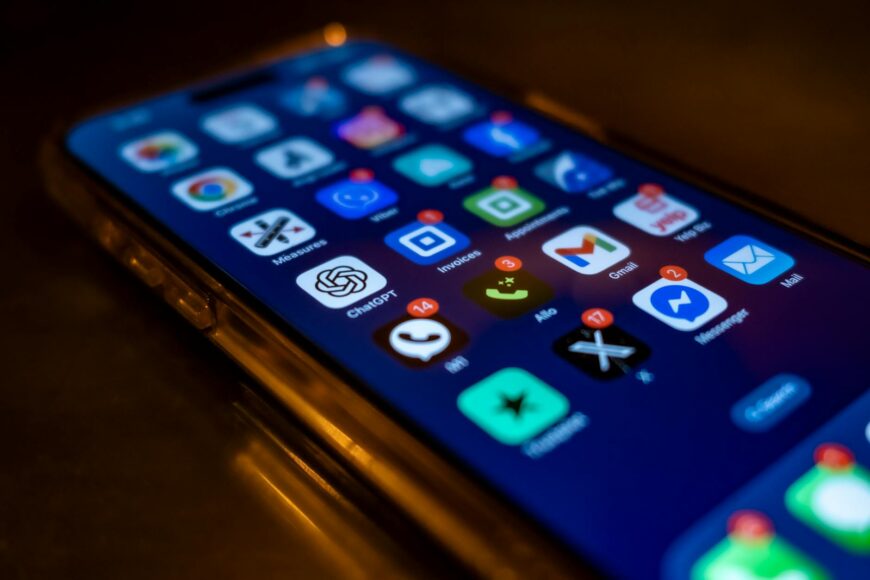
In recent years, the rise of mobile apps has transformed the way businesses deliver digital services. With smartphones being ubiquitous, companies can leverage these platforms to reach customers instantly and efficiently. This shift has not only optimized user experiences but has also enabled businesses to enhance their service offerings in ways previously thought unattainable.
Understanding the myriad benefits associated with mobile applications reveals why they are integral to modern digital services. From improving customer engagement to streamlining operations, these tools have become essential for any forward-thinking business model.
Enhanced Customer Engagement
Mobile apps create a direct line of communication between businesses and their consumers. Features like push notifications, in-app messaging, and personalized content keep users engaged and informed. According to a study by Localytics, apps with push notifications see a 88% increase in app usage, highlighting the importance of maintaining customer interest.
Increased Accessibility
Mobile applications provide 24/7 accessibility to services. Consumers can engage with brands at their convenience, whether it is for shopping, booking services, or accessing information. For example, companies like Uber have successfully built platforms that allow users to access transportation services from anywhere at any time, redefining convenience in urban mobility.
Cost Efficiency
Investing in mobile apps can lead to significant cost savings for businesses. Traditional marketing costs can be reduced as companies can implement targeted advertising through their apps. The Interactive Advertising Bureau reported that mobile advertising has a lower cost-per-click compared to traditional methods, making it a more economical option for many businesses.
Data Collection and Analytics
Mobile apps enable businesses to gather valuable user data that can inform future strategies. By analyzing user behavior and preferences, companies can tailor their offerings to meet consumer demands more effectively. For instance, platforms like Spotify use data analytics to create personalized playlists, enhancing user satisfaction and retention.
Scalability and Flexibility
Mobile apps offer companies the flexibility to scale their services quickly. As demand fluctuates, businesses can adapt their app functionalities without significant overhauls. This adaptability is crucial in fast-paced industries where consumer expectations continuously evolve.
Competitive Advantage
In a crowded marketplace, having a mobile app can set a business apart. Companies that adopt mobile-first strategies often enjoy a competitive edge, as they can respond to market changes more swiftly. For example, the success of mobile banking apps has forced traditional banks to innovate or risk losing customers to more agile fintech competitors.
Improved Customer Service
Mobile apps can enhance customer service capabilities by integrating features like chatbots and FAQs, allowing for instant assistance. According to a survey by Zendesk, 69% of consumers prefer to use mobile apps for customer support rather than traditional methods, underscoring the importance of modernizing customer service approaches.
Brand Loyalty and Retention
By providing a seamless experience, mobile apps foster brand loyalty. Loyalty programs integrated into apps can incentivize repeat purchases, as demonstrated by Starbucks, which uses its app to manage rewards and promotions effectively, driving customer retention and sales.
Sustainable Practices
Digital services through mobile apps can contribute to sustainability efforts. By reducing the need for paper-based services and streamlining processes, companies can minimize their environmental footprint. This evolution towards digital solutions supports corporate responsibility initiatives, appealing to eco-conscious consumers.
Conclusion
The integration of digital services through mobile apps marks a significant evolution in consumer engagement and business strategy. The advantages are clear, offering businesses tools to enhance customer experiences while optimizing operational efficiencies. As technology continues to advance, those who embrace mobile apps will likely lead the charge towards a more connected and responsive future.
