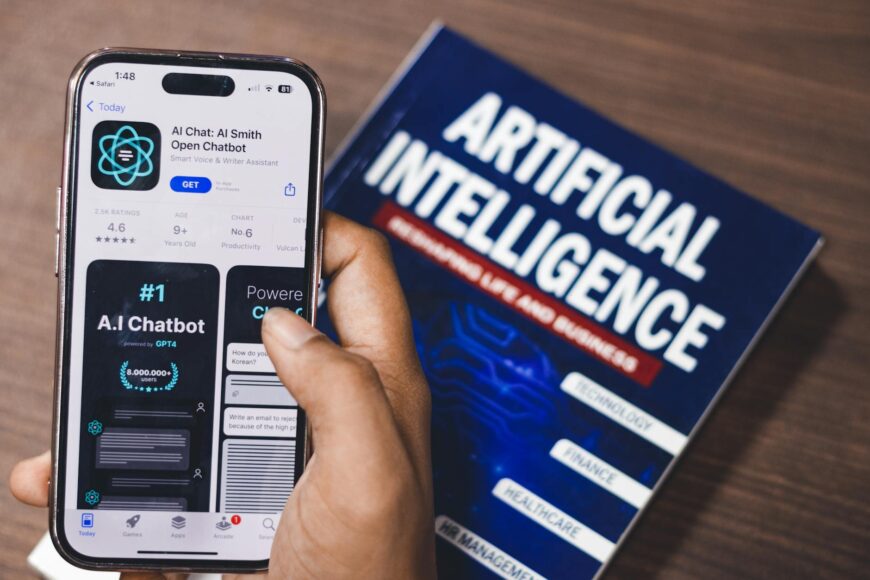
The landscape of mobile app development is constantly evolving, driven by technological advancements and changing user preferences. As we look towards the future, several key trends are emerging that will redefine how developers create, distribute, and maintain mobile applications. Understanding these trends can help businesses and developers stay ahead in a competitive market.
The growth in mobile app usage continues to outpace traditional web applications, emphasizing the need for innovative solutions that enhance user experience and functionality. This article explores some of the most significant trends anticipated to shape the future of mobile app development.
Increased Adoption of Artificial Intelligence
Artificial Intelligence (AI) is becoming increasingly integrated into mobile applications, with features like chatbots, personalized content recommendations, and voice recognition. According to a recent report, over 80% of businesses plan to implement AI within their apps by 2025. AI enhances user experiences by analyzing user behavior and preferences, allowing for tailored interactions that improve engagement.
5G Technology Revolution
The rollout of 5G technology will significantly impact mobile app development, offering faster data speeds and lower latency. This advancement will allow developers to create more sophisticated applications, such as real-time video streaming, augmented reality (AR), and virtual reality (VR) experiences that were previously limited by bandwidth constraints. As of 2023, the number of 5G subscriptions is expected to surpass 1 billion globally, further driving the demand for high-performance mobile apps.
Cross-Platform Development Tools
The demand for cross-platform applications is increasing, as businesses seek to reach a wider audience without the costs associated with developing separate native apps. Tools like Flutter and React Native enable developers to write code once and deploy it across multiple platforms, streamlining the development process. This trend is expected to continue, with a survey indicating that 70% of developers prefer cross-platform tools for their flexibility and efficiency.
Focus on App Security
As mobile applications become more integral to daily life, security concerns are rising. Developers are now prioritizing robust security measures to protect user data. In 2023, it was reported that over 60% of consumers would stop using an app if they felt their data was at risk. Techniques such as end-to-end encryption, secure APIs, and regular security audits are becoming standard practices to build trust with users.
Integration of IoT in Mobile Apps
The Internet of Things (IoT) plays a crucial role in the future of mobile applications. As more devices become interconnected, apps that can manage and control these devices are in high demand. For instance, smart home applications allow users to control lighting, temperature, and security systems from their smartphones. This integration is expected to grow, as the number of connected IoT devices is projected to reach 30 billion by 2025.
Emphasis on User Experience and Design
User experience (UX) and design are paramount in mobile app development. Apps that are intuitive, visually appealing, and easy to navigate are more likely to succeed. In 2023, studies showed that 88% of online consumers are less likely to return to a site after a bad experience. As a result, developers are adopting user-centered design principles, conducting usability testing, and leveraging design thinking to enhance their applications.
Emergence of No-Code and Low-Code Development
No-code and low-code platforms are reshaping the app development landscape by enabling individuals with little technical expertise to create applications. This democratization of app development allows businesses to prototype and deploy apps quickly, reducing time-to-market significantly. Reports indicate that by 2024, low-code development will account for over 65% of all application development activity.
Sustainability in App Development
As awareness of climate change grows, the mobile app development industry is beginning to focus on sustainability. Developers are seeking ways to reduce energy consumption, optimize app performance, and create eco-friendly solutions. For example, apps that promote sustainable practices or provide information on reducing carbon footprints are increasingly popular among consumers who prioritize environmental responsibility.
Conclusion
In conclusion, the future of mobile app development is promising, with numerous trends driving innovation and enhancing user experience. From the integration of AI and IoT to the adoption of cross-platform tools and a focus on security, these developments will significantly shape how applications are built and experienced. Staying informed about these trends will be crucial for developers and businesses aiming to thrive in the dynamic mobile landscape.
