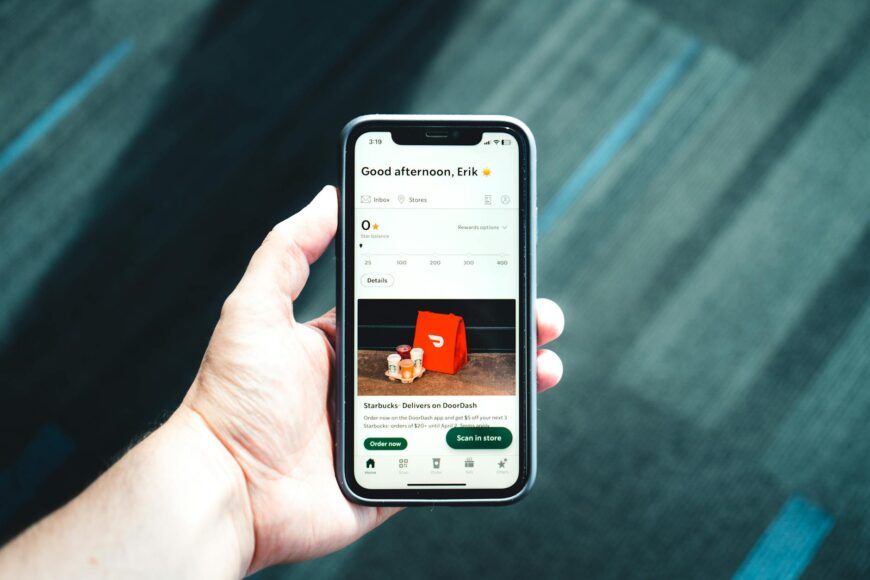
In today’s fast-paced world, mobile applications have become a fundamental part of our daily lives. From managing personal finances to facilitating social interactions, the ubiquity of smartphones has driven the growth of digital services through mobile apps. This technological evolution has led to the emergence of new business models and opportunities for both consumers and organizations.
The rise of mobile apps is not just about convenience; it also represents a shift in how services are accessed and delivered. With over 200 billion apps downloaded in 2022 alone, the mobile ecosystem is thriving, creating a dynamic environment for service providers and users alike.
The Impact of Mobile Apps on Service Accessibility
One of the most significant advantages of mobile apps is the enhanced accessibility they provide. Users can engage with services anytime and anywhere, breaking geographical barriers. For instance, financial institutions now offer mobile banking apps that allow users to conduct transactions, check balances, and apply for loans without needing to visit a physical branch. This shift not only saves time but also reduces operational costs for banks.
Data-Driven Personalization
Another key feature of mobile apps is their capability to utilize user data for personalized experiences. By analyzing user behavior, preferences, and feedback, companies can tailor their services to meet individual needs effectively. For example, streaming services like Spotify leverage algorithms to recommend songs based on listening history, enhancing user satisfaction. Such personalization fosters loyalty and retention.
Challenges in Mobile App Development
However, the journey of providing digital services through mobile apps is not devoid of challenges. One common misconception is that once an app is launched, the work is complete. In reality, continuous updates and improvements are essential to maintain relevance in a saturated market. Developers must also navigate issues related to security, data privacy, and user experience to ensure compliance with regulations and user expectations.
The Future of Digital Services in Mobile Applications
Looking ahead, the future of digital services through mobile apps is promising. Emerging technologies such as artificial intelligence and machine learning are set to redefine how services are delivered. For instance, AI chatbots are making customer support more efficient by offering real-time assistance and solutions. Additionally, 5G technology will enhance app performance and enable more complex functionalities, further enriching user experiences.
As the landscape of mobile services continues to evolve, understanding these intricacies becomes crucial for both developers and consumers. The interplay between technology and user needs will undoubtedly shape the future of digital services through mobile applications.
