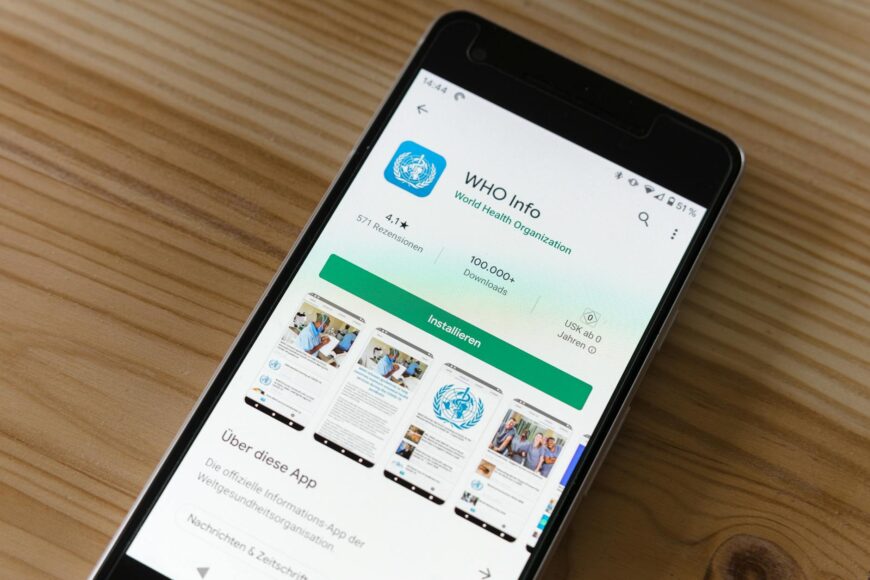
The mobile app ecosystem has transformed profoundly over the past decade, with significant implications for businesses and consumers alike. As technology advances, the intersection of mobile devices and applications has created a dynamic environment ripe for innovation and growth. This evolution is not merely a trend; it reflects changing user behaviors, increased smartphone penetration, and the rise of mobile-first strategies across various industries.
In this exploration, we will delve into the factors driving this rapid growth and the various components that constitute the mobile app ecosystem.
The Surge in Mobile Device Usage
One of the primary catalysts for the growth of the mobile app ecosystem is the remarkable increase in mobile device usage. According to Statista, as of 2023, there are approximately 7.33 billion mobile users worldwide, indicating a penetration rate of over 90% of the global population. As smartphones become more affordable and accessible, users increasingly rely on mobile applications for a variety of tasks, from communication to shopping to entertainment.
Developers and the App Economy
Developers play a crucial role in shaping the mobile app ecosystem. With platforms like iOS and Android, developers can reach millions of users worldwide. The App Store and Google Play Store, which host millions of apps, have created an environment where developers can monetize their creations effectively. In 2022, revenue generated from mobile applications surpassed $170 billion, a figure expected to grow as more apps are developed and monetization strategies evolve.
Emerging Technologies and Trends
The integration of emerging technologies is further propelling the mobile app ecosystem. Technologies such as artificial intelligence, augmented reality, and blockchain are being incorporated into mobile applications, enhancing user experiences and introducing new capabilities. For instance, mobile apps leveraging AI can offer personalized recommendations, while augmented reality apps enable users to visualize products in their own space before purchase. This adoption of cutting-edge technologies is not just enhancing functionality but also attracting a broader user base.
Consumer Behavior and Expectations
User expectations have also shifted dramatically with the rise of mobile applications. Consumers now expect seamless functionality, intuitive design, and immediate access to services. According to a survey by PwC, 73% of consumers prefer to access services through mobile apps rather than websites. This preference is pushing businesses to prioritize app development as a central component of their digital strategies, ensuring they meet the demands of their customer base.
Challenges in the Ecosystem
Despite the growth potential, the mobile app ecosystem faces challenges that developers and businesses must navigate. Issues such as app store optimization, user retention, and fierce competition make it crucial for developers to differentiate their offerings. Additionally, as privacy concerns continue to rise, compliance with regulations like GDPR and CCPA has become essential for maintaining user trust and securing data.
The Future Outlook
Looking ahead, the mobile app ecosystem is set to continue its growth trajectory. With advancements in 5G technology, cloud computing, and cross-platform development tools, the potential for innovation is vast. Businesses that harness these trends and adapt to consumer behaviors will thrive in this rapidly changing landscape. As the app ecosystem evolves, it will undoubtedly lead to new opportunities and challenges, shaping the way we interact with technology in our daily lives.
